For Clinical Engineer, a Rapid Rise from Technician to Supervisor
 You’re a clinical engineer in a hospital, crossing some tasks off your “to-do” list, when you get a call. A piece of medical equipment has stopped working and needs to be repaired. Oh, and the call has come from the operating room — right in the middle of a procedure.
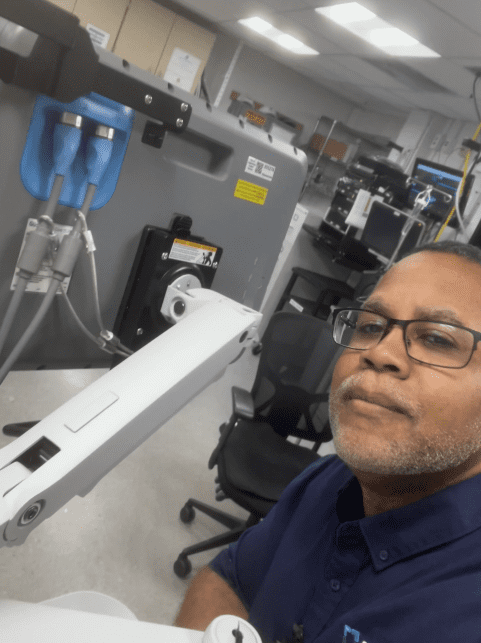
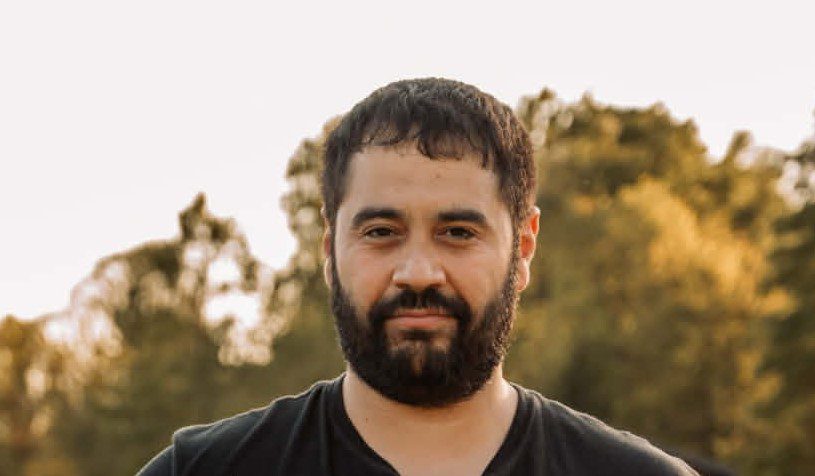
This situation is what Ryan Dickson, a Clinical Engineering Supervisor at Cleveland Clinic Main Campus, and his team deal with each day. “I oversee the Clinical Engineering teams that perform maintenance, repair, installations, removals and things of that nature,” he says in describing his role. These duties often come by way of an extremely urgent request, such as from an operating room.
In addition to repairing equipment that’s being used in an operating room, hospital clinical engineers’ duties can include:
- Installing or adjusting pieces of medical equipment.
- Disassembling, repairing and reassembling various pieces of technology.
- Diagnosing, repairing, calibrating and performing preventive maintenance.
- Analyzing system failures of medical imaging systems and performing repairs.
- Inspecting new equipment.
Advancing through the ranks
Ryan started at Cleveland Clinic as an intern. His pathway to healthcare began in college, while he was pursuing a degree in electrical engineering technology at Cuyahoga Community College. “One of my instructors ran the biomedical engineering program and recommended that I go for both the electrical engineering technology and biomedical engineering degrees because they’re very similar,” he says.
Ryan’s first paid position at Cleveland Clinic was as a clinical technician, where his skills and his growing experience, along with a well-defined promotion system, helped him advance to supervisor in less than seven years. He describes it as a stepwise process – from clinical technician, to work leader, to supervisor.
“As a clinical technician, a lot of my work was in the operating rooms, so for the next two years, I was able to learn a lot of those things,” he says. “In the promotion process, when you reach a certain level of competency as a clinical technician, you can move into a Tech II position.
“As a Tech II, I was dealing a lot more with the nursing managers and the caregiver staff. Then, when a work leader position opened, I felt that I was best suited to take that position and run with it. The number of projects continued to expand, and that job worked out really well. And then a supervisor position became available. With my experience as work leader, I already knew the operating rooms, so I felt like that prepared me to be a supervisor.”
A day in the life
Ryan will attest that being a clinical engineer in a hospital is very hands-on and never dull. “We’ll get direct calls from the operating rooms when there’s a problem with their anesthesia machines or the patient monitors. Or Urology may call because their video towers are acting up in mid-surgery. So, we’re literally going in live cases and troubleshooting and fixing issues.
“We do a lot of our own work. We’re encouraged in clinical engineering to find problems and report them and repair them. If you work for Cleveland Clinic, you’re going to get your hands on more equipment than you probably will at any other hospital.”
The path forward
As he plans his career, Ryan acknowledges how Cleveland Clinic has not only enabled his professional development but has also supported him completely along the way. “They provide you with the opportunities and the avenues to learn and grow and become a leader, and get involved with different modalities,” he says. “And the leadership was always there to support me and steer me in the right direction and offer me the guidance that I would need to get through some of these harder tasks. So I was able to find what I was good at.”
Ryan will be celebrating his seventh anniversary at Cleveland Clinic in August, and he’s not planning to go anywhere. As he notes, “There’s a very clear track for promotion and growth here, and it’s encouraged. It’s a very friendly place to work. It’s very supportive here.”