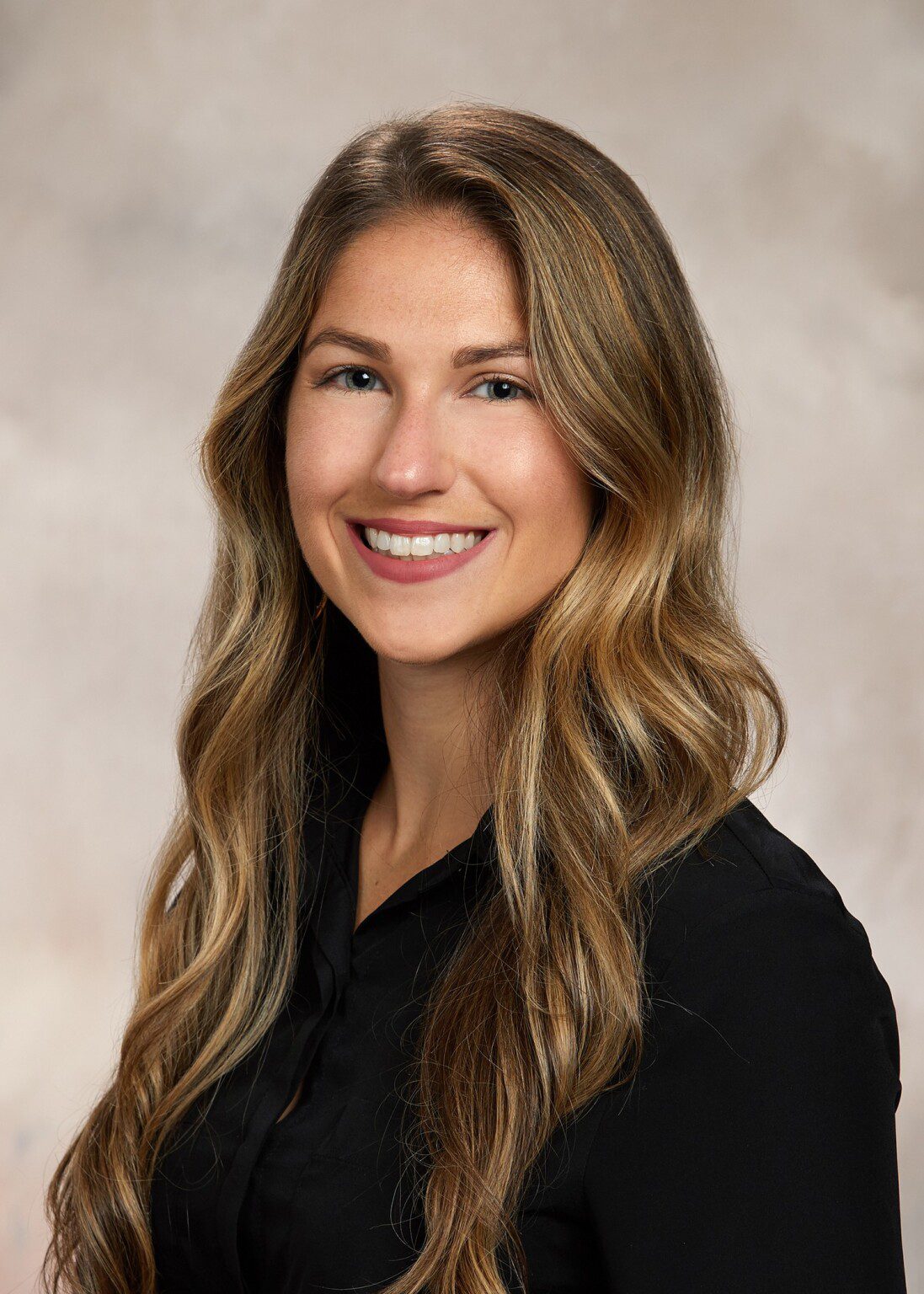
Clinical Pharmacy Coordinator Has the Right Formula for Treating Patients
Not Your Average Pharmacist
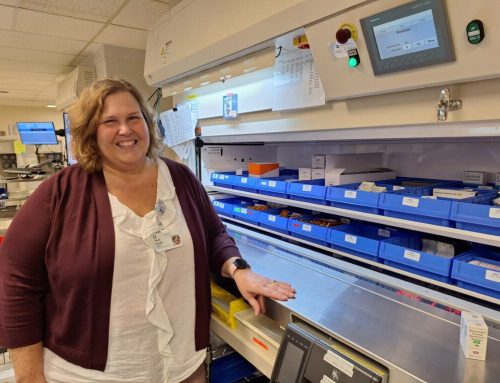
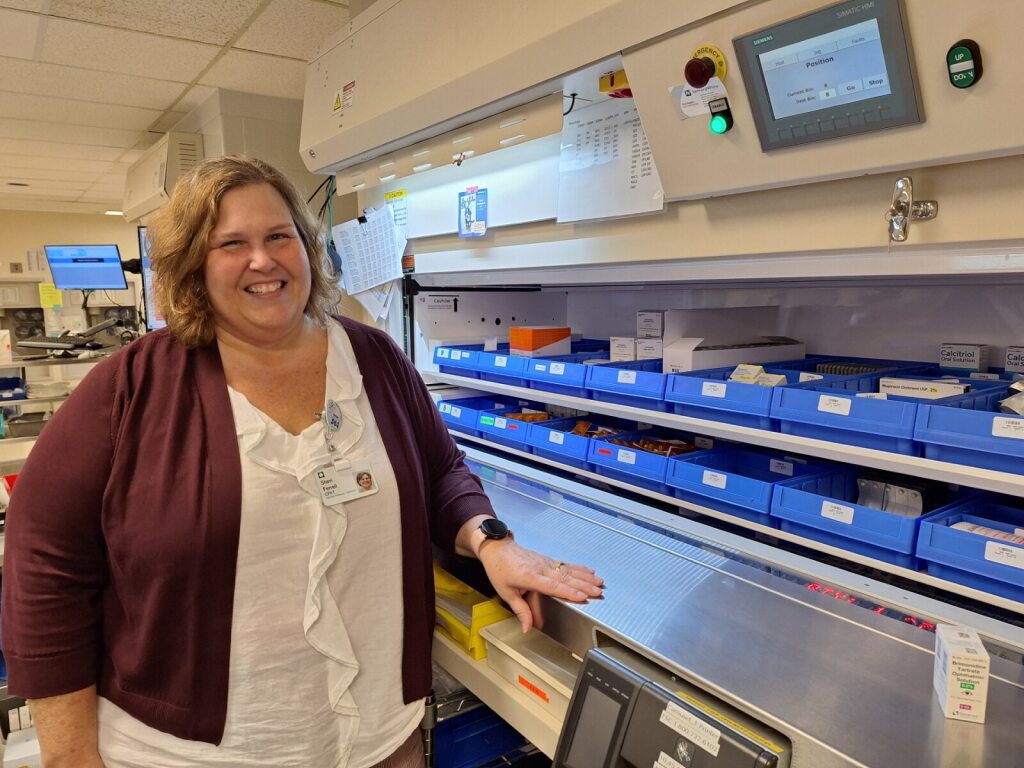
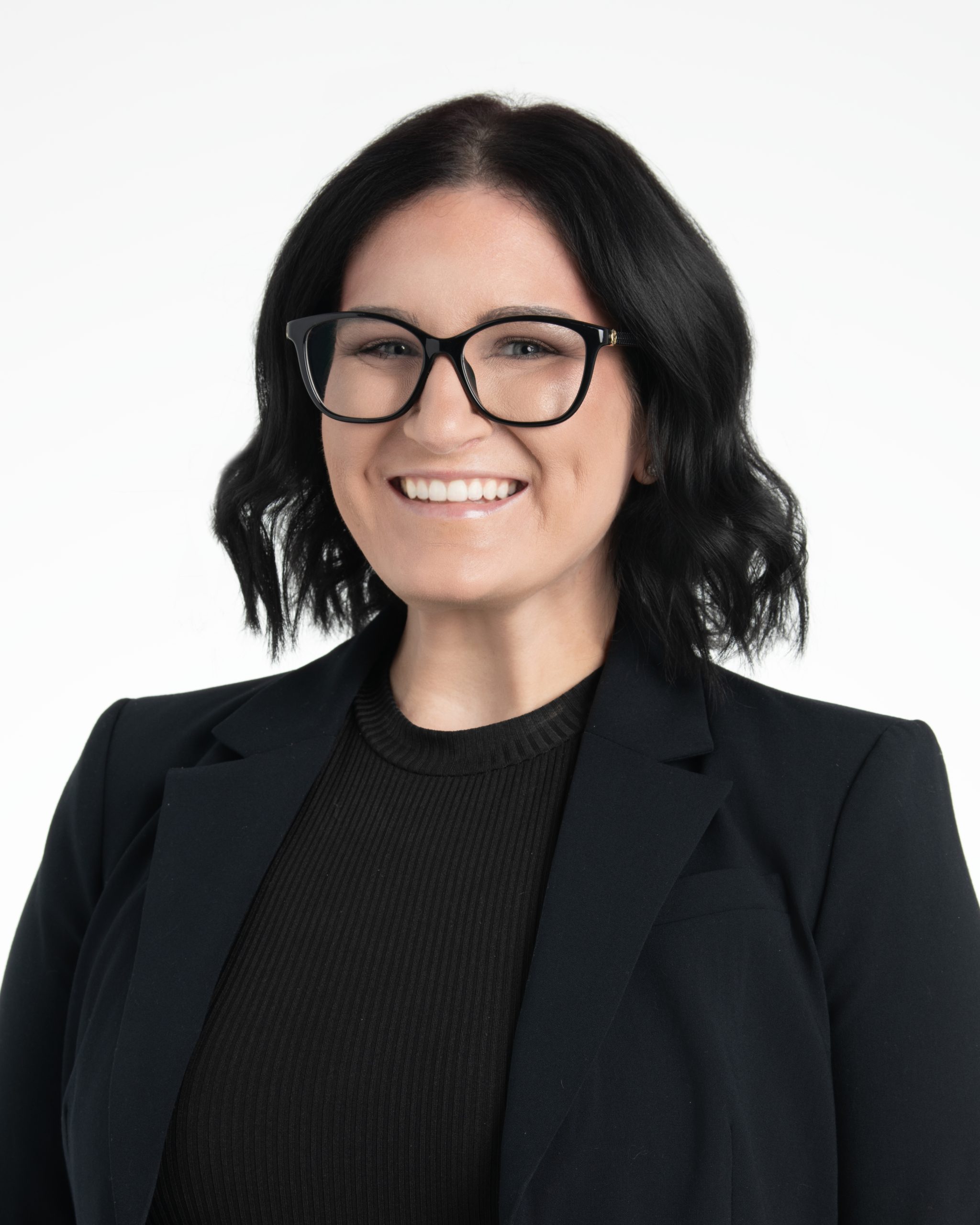
Unlike the pharmacists that most people picture, Michelle Brownstein, a Clinical Pharmacy Coordinator at Cleveland Clinic Weston Hospital, is referred to as a decentralized pharmacist — she’s stationed in the surgical ICU unit at Weston Hospital. Her role is a blend of patient care and management — treating patients directly and shaping pharmacy policies at a higher level.
When she’s focused on direct patient care, she rounds daily with physicians, Nurse Practitioners (NPs), Physician Assistants (PAs), and residents as part of the ICU team. She makes recommendations for medications and labs, manages antibiotics and full medication lists, and ensures safe and effective drug therapy for each patient. “It’s enriching because not only do I know that my job is essential in selecting the most appropriate and individualized treatment for each patient’s condition, but it’s also making sure they’re not being put at risk.”
Her managerial role is just as rewarding, as she supports other clinical pharmacists by reviewing their projects and patient care activities, sits on multiple enterprise committees (Stroke Committee, ICU Committee, Code Blue Committee, etc.), and assesses policies and procedures prior to implementation to identify potential risks specific to Weston Hospital.
A Dream Job Years in the Making
This role is one that Michelle has waited patiently for. The journey started in high school, when she “literally Googled the top 10 paying jobs for women. I thought, ‘I think I could do that. I was good at science, so I decided that’s what I wanted to do and just continued to pursue that.’”
After attending the University of Florida and receiving a B.S. in nutrition in 2013, Michelle spent the next four years at the College of Pharmacy in Nova Southeastern University. She completed her first post-graduate residency year at Cleveland Clinic Weston, and the second in Critical Care at Lee Health in Fort Myers, Fla. She returned to Weston to accept a role as the ICU pharmacist, continuing her ongoing education courses and pursuing her certification as a board-certified Clinical Care Pharmacist (BCCCP), both of which were funded by the Cleveland Clinic.
Not Your Average Day
Life in the pharmacy isn’t usually full of surprises — but that wasn’t the case on one of Michelle’s most memorable days. She had just arrived at work when she received an urgent call from one of her NPs, saying, “We need you down here in CT (commuted tomography) right now!” “I hadn’t even put my purse down,” she said. “I was wearing a white sweater and khakis — this was before we were allowed to wear scrubs.”
When Michelle arrived at CT, her attending physician was already working on the patient, pressing hard on her neck. The scene was messy and urgent. “We needed several different drugs immediately because she had a lacerated carotid artery. So, I dropped my purse, ran to get the drugs, and came back to help. Suddenly, I was setting up IV pumps and squeezing blood bags, helping to stabilize her for surgery,” she recalled. “I thought, ‘This isn’t usually where you’d find a pharmacist — especially one dressed in white.’”
Just the Right Size
One aspect of her role that she is especially grateful for is the supportive, family-like culture of Weston. “It doesn’t feel like you’re a little fish in a big pond, just trying to swim around in a big institution with 1,600 beds. We do have high-acuity patients who are very sick, but it’s more manageable in a smaller, close-knit hospital with 200 beds like ours.”
A Predictable Schedule
“‘What is so great about being a pharmacist is that it gives you the chance to be inside of healthcare, but you also get the opportunity to have work-life balance, that family balance. We have a lot of different shifts available. There are many places where you can work a seven-days on/seven-days-off schedule. You can enjoy the balance that many people seek and still be able to help people.”
Looking Ahead
As a mom of an infant, Michelle understandably would like to spend more time with her at home. But she’s still all-in with her role. “I see myself continuing to grow in this position since it’s so new and developing what the clinical coordinator does here at Cleveland Clinic Weston. I would love to stay part-time because I want to keep my knowledge. I love helping patients. I love being here. I love my team. I truly do enjoy coming to work — especially when I’ve actually slept for 8 hours.”